
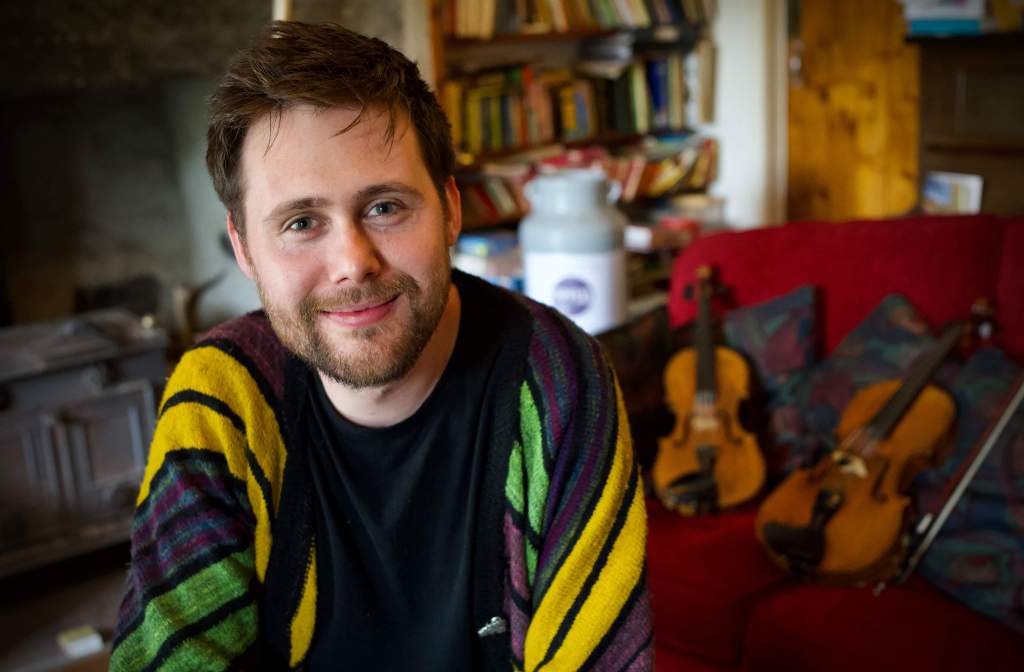
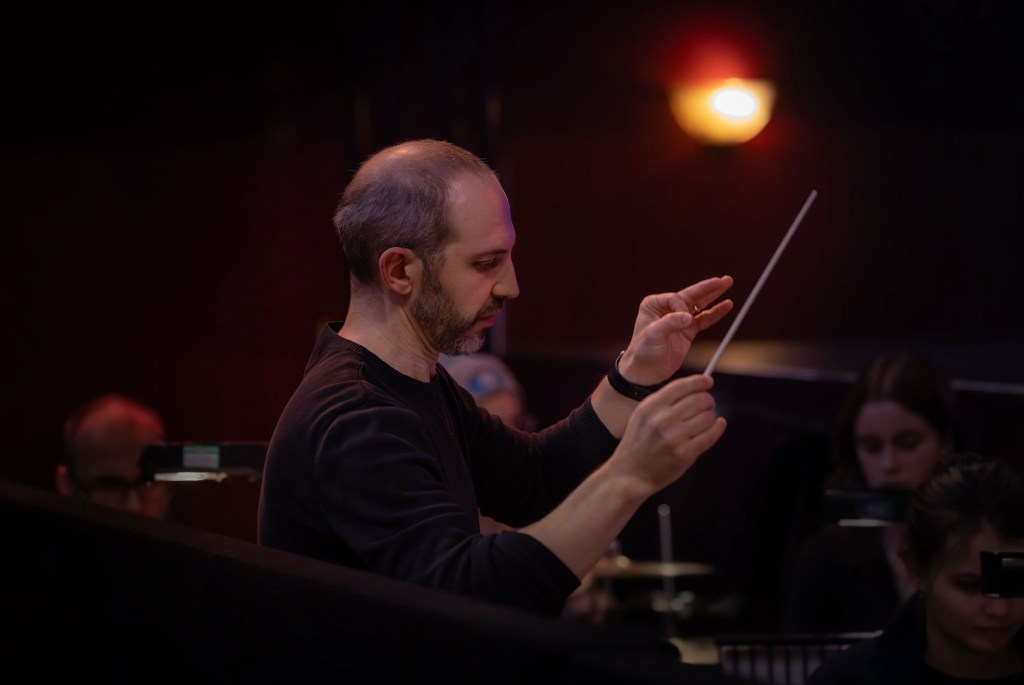
Dr. Ian Sapiro is the founder and first conductor of the LUUMS Symphonic Wind Orchestra, in 2003.
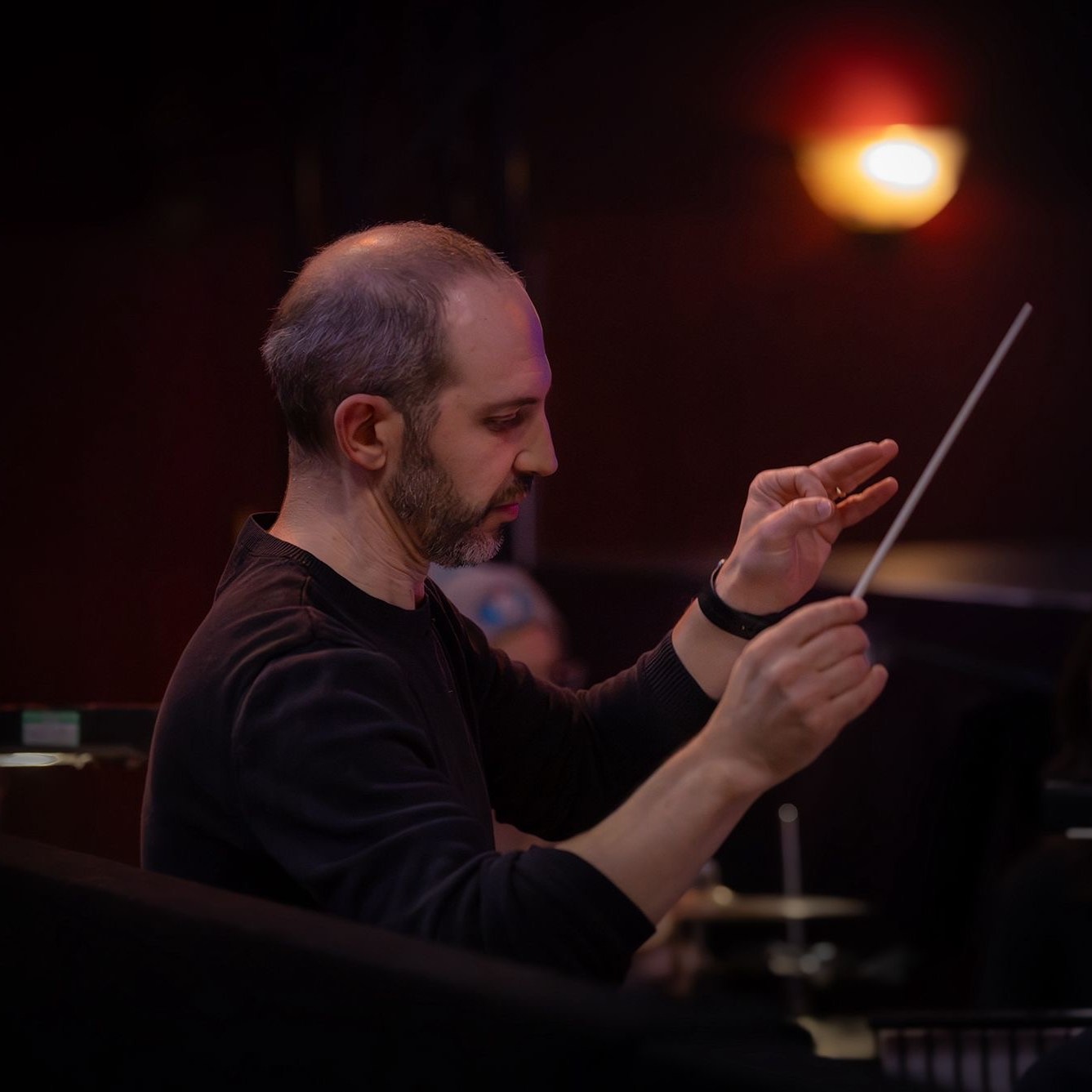
Dr. Ian Sapiro works principally in film music, musical theatre, adaptation, orchestration and the overlaps between them. He studied Music at undergraduate, taught postgraduate and research postgraduate levels at Leeds, completing his PhD in film music in 2011. Ian joined the staff in the School of Music as a research assistant in 2003, becoming a lecturer in 2012. He was Director of Student Education for the School 2019-2023, and became Deputy Head of School (People and Culture) in 2025. He was awarded the inaugural Annegret Fauser and Tim Carter Fellowship at the Library of Congress Music Division in 2024.
Ian has been active as a professional conductor of amateur musical theatre productions for nearly 30 years, and have been musical director for 60 musicals in that time. He is currently associated with Guiseley Theatrical Productions, spent fifteen years as musical director for Buttershaw St Paul’s AODS, Bradford, and Bradford Youth Players (Act 2), and have conducted musicals and concerts in Leeds, Bradford, Halifax, Ilkley, Dewsbury, Liverpool and Birkenhead. Ian has won awards for musical direction, and in 2017, he received the rare and prestigious NODA Commendation – a National Operatic and Dramatic Association medal recognising the work of a non-amateur who has given devoted service to amateur theatre over a period of at least 10 years – having been nominated for the award by Buttershaw St Paul’s AODS.
What was your experience of leading the Symphonic Wind Orchestra (SWO) like?
It was amazing, daunting, and everything I hoped it would be. I had previously conducted the LUUMS Chamber Orchestra (which is now the LUUMS String Orchestra), so had experience of leading a LUUMS ensemble, but I definitely felt pressure being the first person to conduct a new ensemble. I had a great time as conductor of SWO though, and really valued the experience and the chance to work with such a large number of high-quality players.
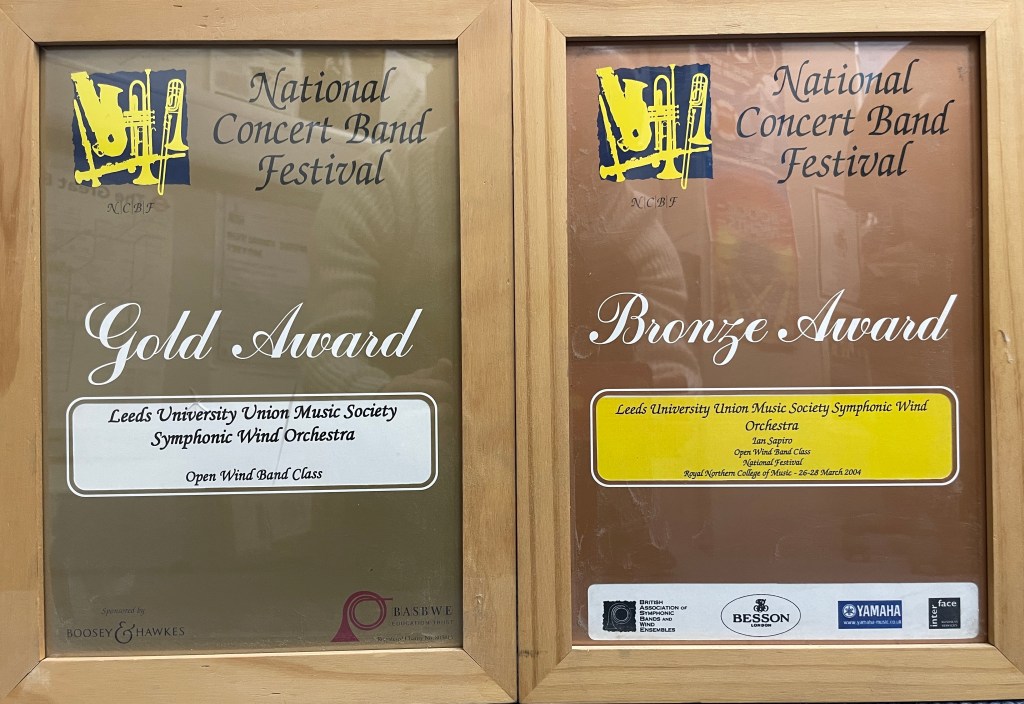
What did the first version of
SWO look like?
What made you decide to start SWO?
What was your favourite part of leading the ensemble?
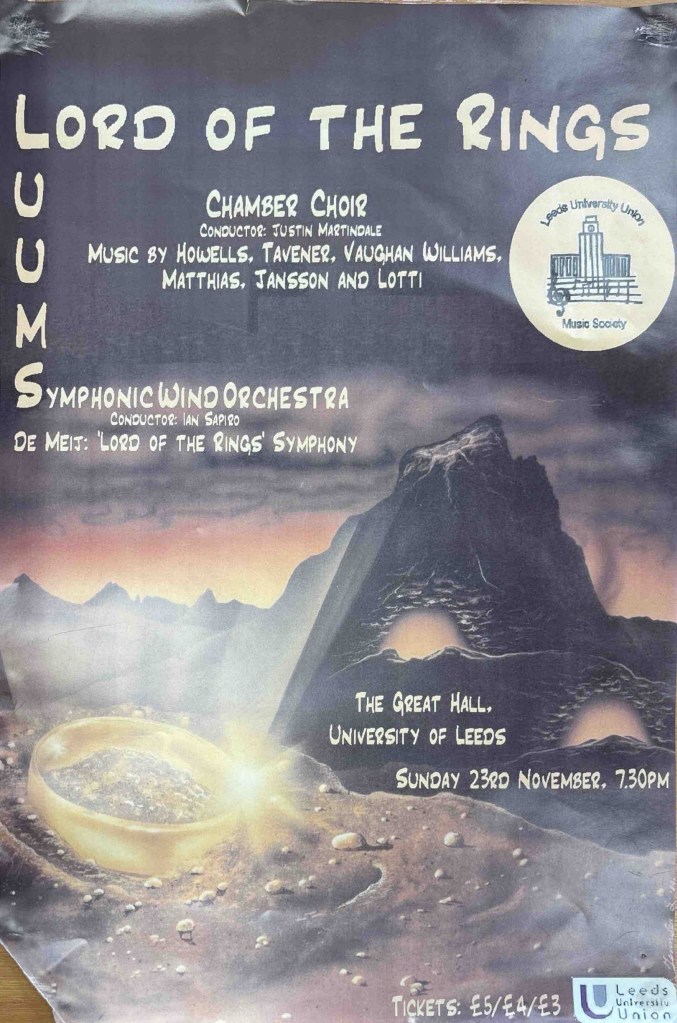
SWO’s first concert poster
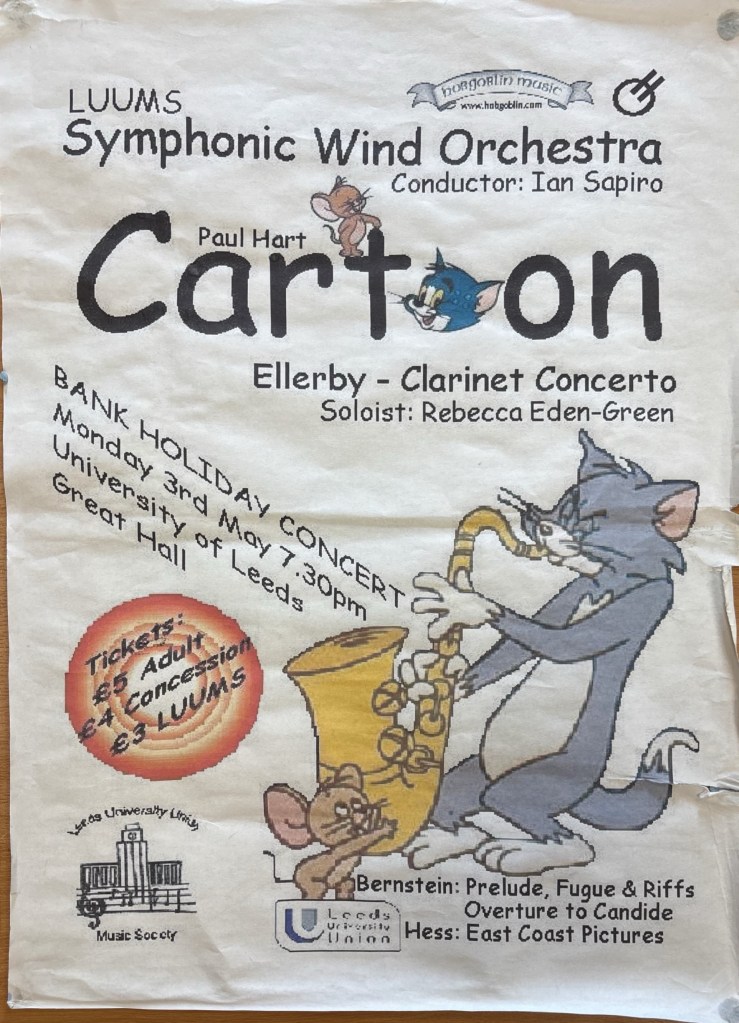
Summer Concert Poster
What impact have SWO and LUUMS had on your professional development?
To an extent it’s hard to say what impact SWO and LUUMS have had on my professional development, because I led SWO as a research student, so I was further on in life than most student conductors of LUUMS ensembles (though admittedly not that much further on!). It certainly gave me confidence that I could lead a large ensemble – apart from the creation of SWO, my other LUUMS legacy is that I’m probably the only person ever to have failed to become conductor of the Symphony Orchestra in five attempts – and that I was able to interpret music and communicate that interpretation to a diverse group of people.
Almost all the conducting I have done since leading SWO has been amateur musical theatre, and I feel sure that the experience of doing SWO – not only the musical aspects of it, but having to be organised, to plan rehearsals, to consider logistics, etc. – was invaluable preparation.
In your view, how has the ensemble evolved across the years into what it is today?
This is hard to answer, because I haven’t always been able to get to SWO concerts owing to family commitments and my own rehearsals. I think the most impressive thing is that the ensemble is still going (at all!), and that successive conductors have been able to shape it to suit their idea of what a symphonic wind orchestra is, how it is balanced, and what it should play. There is so much incredible repertoire for the ensemble, but even in its first year I couldn’t resist sneaking in an arrangement of a symphonic work – the Candide overture.
From what I do know, I think the ensemble has continued to explore challenging symphonic wind repertoire, and provide a place for high-quality wind, brass and percussion players to express themselves. That’s all I really wanted from SWO, and I’m immensely pleased and proud that it continues to make this contribution to LUUMS and the musical life of the university.


 Leeds University Union Music Society